

The world of unpredictable
Author: James Organ | Posted On: 29 Jan 2026
We are only weeks into 2026, and already the year is reinforcing a familiar reality. The environment leaders are operating in remains volatile, with few signs of settling into anything resembling a steady state.
Economic conditions continue to shift. Technology is evolving at pace. Customer expectations are changing quickly. Added to this are heightened geopolitical tensions, trade and regulatory uncertainty, and the increasing impact of extreme weather events on supply chains, infrastructure and communities. These forces do not operate in isolation. They intersect in ways that are difficult to model and even harder to anticipate.
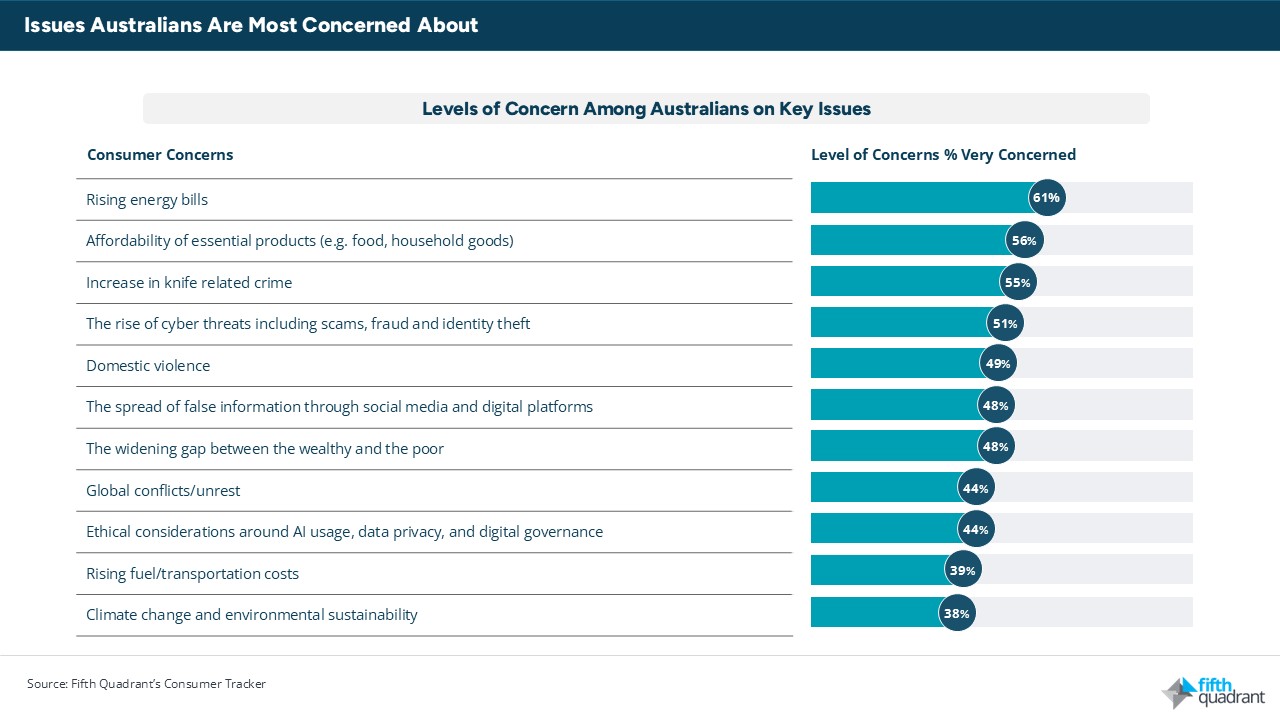
For leaders, this creates a persistent challenge. Decisions must be made now to drive progress, while also protecting the organisation against risks that may emerge tomorrow. The cost of hesitation is real, but so is the cost of getting it wrong.
Strategy is more important than ever
In environments like this, it is easy to become distracted by short-term signals. Headlines, dashboards and real-time data streams can create urgency without clarity. Yet strategy still demands discipline.
What has changed is not the need for strategy, but the conditions in which it must operate. Leaders still need to make clear choices about where to play, how to win, and which trade-offs truly matter. What has shifted is the level of evidence required to make those choices with confidence.
Markets are more fragmented. Customer behaviour changes faster. Competitive advantage is harder to sustain. In this context, weak or outdated assumptions can quickly lead organisations to invest in the wrong opportunities or defend positions that no longer matter.
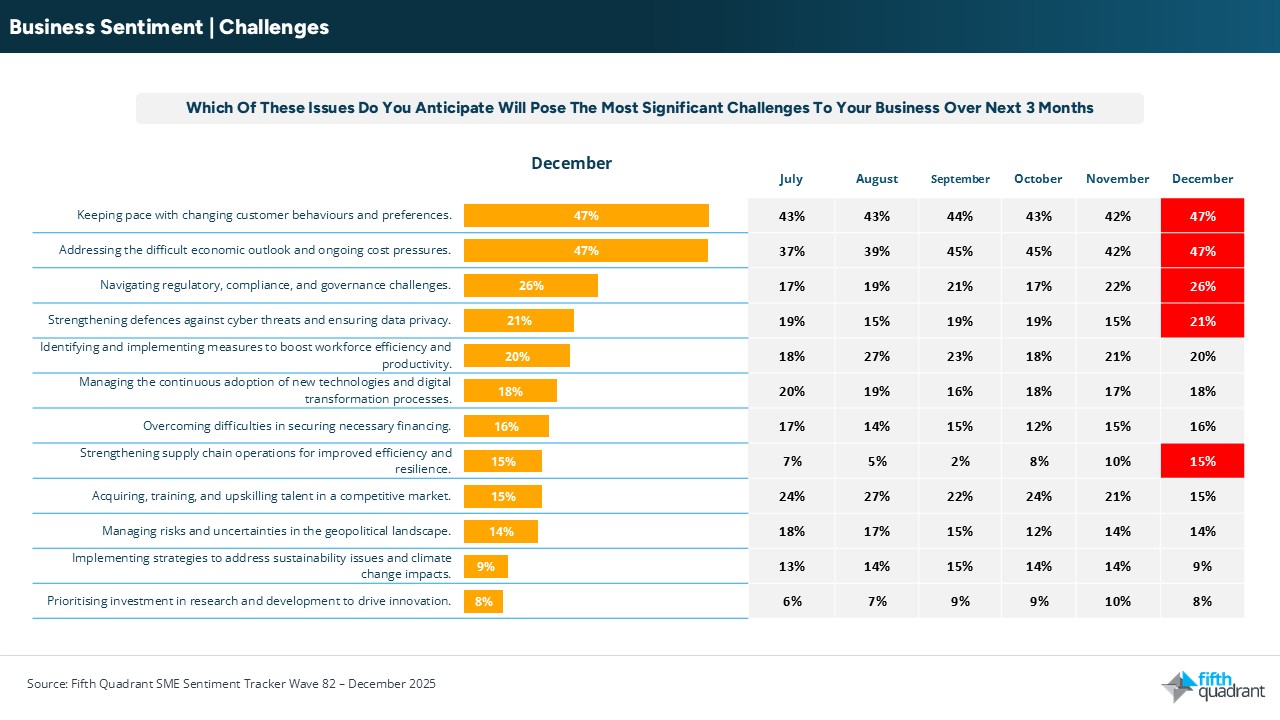
Data from the Fifth Quadrant SME Sentiment Tracker shows that 47% of SMEs say their biggest challenge over the next three months is keeping pace with changing customer behaviours and preferences. When customer needs are moving this quickly, clarity on where to focus and how to compete becomes central to effective strategy.
Market research in a more complex world
In this environment, effective research must do more than track movement. It requires a deep understanding of the jobs customers are trying to get done, how those jobs are evolving, and what genuinely drives choice within specific market contexts. Insight only becomes valuable when it is anchored in how markets actually work. Without that context, even high-quality data can point decision-makers in the wrong direction.
This is where experience matters. Knowing how customers behave in theory is very different from understanding how decisions are made in practice, how trade-offs shift under pressure, and how category dynamics differ by sector. Context turns insight into something usable. It is what allows organisations to distinguish between noise and meaningful change, and to act with confidence rather than caution.
Critically, research today must explain why change is happening, identify where meaningful shifts are emerging, and distinguish between short-term noise and signals that point to genuine structural change.
Achieving this requires strong methodological foundations, thoughtful research design, and experienced interpretation grounded in real market understanding. Without this, insight risks remaining descriptive rather than strategic, and research becomes an output rather than a driver of better decisions.
Technology as a force multiplier for insight
New technology is playing an increasingly important role in strengthening the impact of market research. Advances in automation, AI and data processing are enabling richer insight to be generated faster and at greater scale than ever before.
When embraced thoughtfully, technology allows researchers to go deeper, not shallower. It enables qualitative depth to be embedded within quantitative programs, accelerates the analysis of complex datasets, and supports more iterative, adaptive research designs. This creates opportunities to stay closer to customers as behaviours evolve, rather than relying on static snapshots in time.
The real value of these advances is unlocked when they are paired with human expertise. Technology amplifies judgement, experience and critical thinking. It helps surface patterns, tensions and emerging needs, but it is people who provide the context, challenge assumptions and translate insight into strategic action.
Making decisions that matter now and protect the future
In an unpredictable world, research should not be treated as a one-off exercise or a source of reassurance. Its real value lies in helping organisations make decisions that matter now, while keeping them aligned to what comes next.
At Fifth Quadrant, we do not claim to predict the future. What we do is help clients shape it. By staying close to customers, grounding insight in real market context, and applying experienced judgement, we support organisations to make clearer choices about where to play, how to win, and how to adapt as conditions change.
It is easy to get distracted by noise. It is harder, and far more valuable, to stay focused on strategy, grounded in evidence, and clear about the decisions that will drive progress today and resilience tomorrow.
As 2026 unfolds, the organisations that perform best will not be those that claim certainty, but those that continue to test assumptions, invest in insight and act with confidence in a world that refuses to stand still.
At Fifth Quadrant, we turn uncertainty into strategic clarity, helping leaders make confident decisions through insight-led market research. Explore our latest insights or get in touch to discuss what they mean for your business.
Posted in Uncategorized