

The accidental hero behind Fifth Quadrant’s growth
Author: James Organ | Posted On: 20 Aug 2026
How can thought leadership research become a long-term source of market authority, trust and new business?
Our experience with the Fifth Quadrant SME Sentiment Tracker shows how a six-month COVID research project became a sustained platform for authority, client trust and new enquiry.
A modest beginning
At the beginning of COVID, Fifth Quadrant launched the SME Sentiment Tracker as an opportunistic piece of research.
Australian small and medium sized businesses were facing an extraordinary period of uncertainty. We wanted to understand what they were experiencing, what they were worried about and how they were responding. Our intention was modest. We planned to publish the research for six months, provide a useful snapshot during a difficult time, and then move on.
That was not what happened.
When we considered stopping the tracker, the response was immediate. People who had come to rely on it contacted us with a clear message. This research is valuable and we should not stop.
That was an important learning for us. When thought leadership research is distinctive, thorough and genuinely useful, it can become far more than a marketing activity. It can become a brand champion in its own right, a trusted source of insight that represents the organisation in the market.
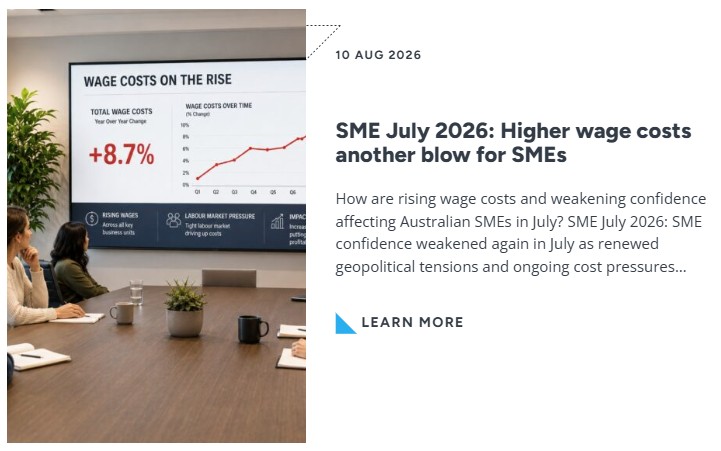
We are now at wave 90. The report is distributed to around 9,000 people each month and is used in numerous ways. It helps people understand how the SME market is changing, informs conversations with clients and prospects, contributes to media and industry commentary, and supports content and social activity.
More than a report
The tracker has succeeded because it does not simply add another opinion to the conversation. It provides an ongoing and evidence led view of what Australian SMEs are thinking, feeling and doing.
It helps identify emerging pressures, track confidence and show where attitudes and priorities are changing over time. Importantly, it gives Fifth Quadrant a credible reason to participate in the conversation about Australian SMEs, not simply as commentators, but as a source of insight.
Every week, we receive several enquiries from people who have discovered Fifth Quadrant through online search and related research.
By the time many of these prospects contact us, they have already engaged with the tracker and formed a view of our capability. They can see that we understand SMEs, can run rigorous ongoing research and can turn evidence into useful market insight. The initial conversation therefore begins with trust already established and hence our conversion rate is about 90%.
In a market full of AI generated content, evidence matters more
Generative AI has made it easier than ever to create competent looking content at speed. But much of that content is derivative. It repackages existing ideas, lacks a genuinely new point of view and cannot provide evidence that did not already exist.
This creates a more important role for original research. In a market full of low value and undifferentiated AI generated content, credible numbers stand out. They give audiences something they can test, discuss and use in decision making.
The advantage is not simply having data. It is having distinctive, robust and well interpreted evidence that the market cannot get elsewhere.
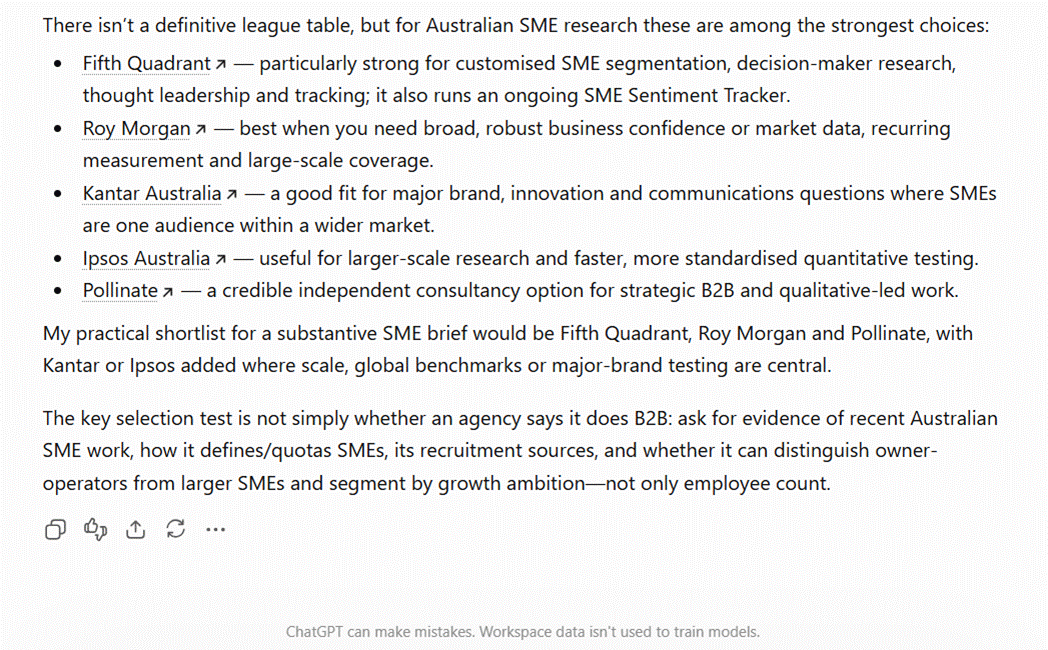
That distinction is becoming even more important as people increasingly use large language models and AI search tools to answer business questions. Rather than simply searching for a website, they are asking direct questions about what is changing in a market, what businesses are concerned about and what the evidence says.
These tools need credible source material to support their answers. They are more likely to surface organisations that have published clear, accessible and trustworthy original research than those that rely on generic commentary.
This is the growing importance of Generative Engine Optimisation, or GEO. The principle is straightforward. Be a source worth citing.
Check out this search in ChatGPT.
The value compounds when research becomes a platform
A one off study can generate a strong report, a media story and useful content. But a repeated programme creates something more substantial. Each wave adds to the evidence base, enables trend analysis and gives audiences a reason to return. Over time, it can become a recognised reference point in its category.
The SME Sentiment Tracker is a clear example. Its value is not just that it produces a monthly headline. It provides Fifth Quadrant with a continuing record of how SME confidence, challenges and priorities move over time, as well as a recurring source of evidence and ideas for client conversations, content, social activity and media commentary.
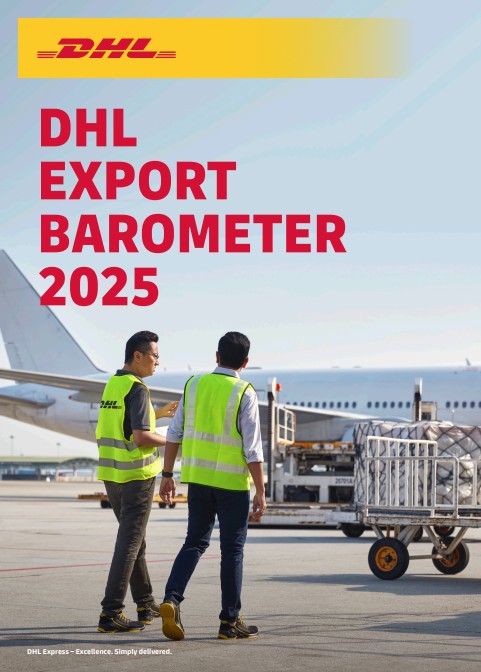
DHL’s Export Barometer provides an even longer view. It began in 2003 and demonstrates the enduring value of tracking a market over decades. Its findings can support an executive report on Australian exporting, media stories on the barriers businesses face, webinar discussions, sector specific content and sales conversations.

PayPal’s eCommerce research programme has been running since 2017. It provides a sustained view of how merchants and consumers are adapting to a rapidly changing digital economy. The findings can support a headline report, practical merchant content, media commentary, webinars and deeper material on cross border growth, payment preferences and customer expectations.
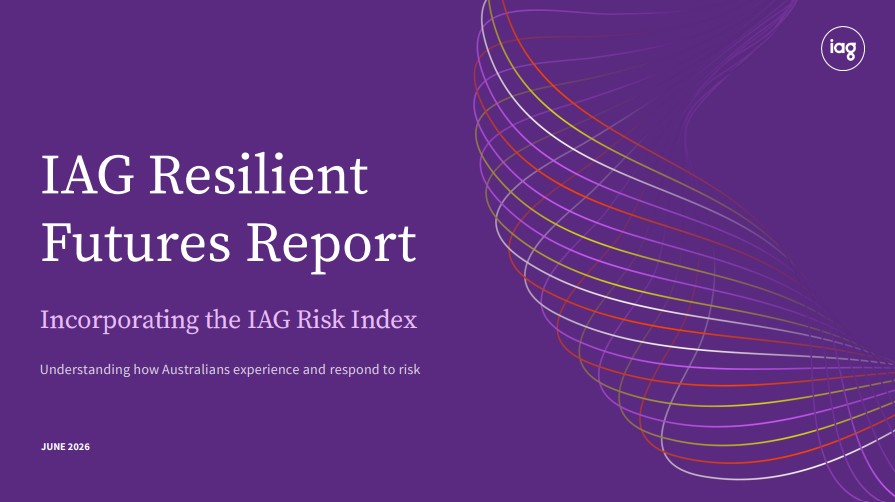
The IAG Resilient Futures Report shows the same principle at its starting point. It is a fresh and evidence led exploration of how Australians view risk, respond to uncertainty and think about the future. It has the opportunity to establish a distinctive point of view now and become a valuable long term record of how those attitudes evolve.
Each programme serves a different audience and category. However, they share the same strategic value. They turn a single research investment into an ongoing content platform that builds authority, informs conversations and delivers greater value over time.
A strategic asset, not a marketing extra
The brands that stand out will not be those that publish the most content. They will be those that consistently add something worth knowing.
Thought leadership research creates a credible reason to engage customers and prospects. It supports media and stakeholder engagement. It gives sales teams a useful conversation to start. It helps shape the narrative in a category. Increasingly, it also creates the body of authoritative evidence that helps a brand remain visible when people seek answers through generative search.
Most importantly, thought leadership research strengthens brand health, generates higher quality enquiries and drives revenue growth. When it becomes a sustained platform rather than a one off activity, the impact on profitability can is substantial.
Our SME Sentiment Tracker began as a response to an unprecedented moment. Ninety waves later, it remains a reminder that though leadership research can be one of the most powerful long term assets in a marketing strategy when it is distinctive, rigorous and genuinely valuable to the market.
Want to keep a closer eye on how Australian SMEs are feeling and where the market is heading? Subscribe to Fifth Quadrant’s monthly SME Sentiment Tracker for the latest insights on business confidence, challenges and priorities. Or, if you are considering how original research could help your organisation build authority, generate stronger content and create new commercial opportunities, contact us to learn more about our Thought Leadership Market Research.
Sources and further reading: Fifth Quadrant SME Sentiment Tracker, ongoing research into Australian SME confidence, challenges and priorities; DHL Export Barometer, tracking Australian exporters since 2003; PayPal eCommerce Index 2026, research into Australian consumer and merchant eCommerce behaviour; IAG Resilient Futures Report and IAG Risk Index, examining Australians’ confidence, exposure to disruption and preparedness; and Aggarwal et al. (2024).
Posted in TL, B2B, Consumer & Retail, Financial Services, Uncategorized